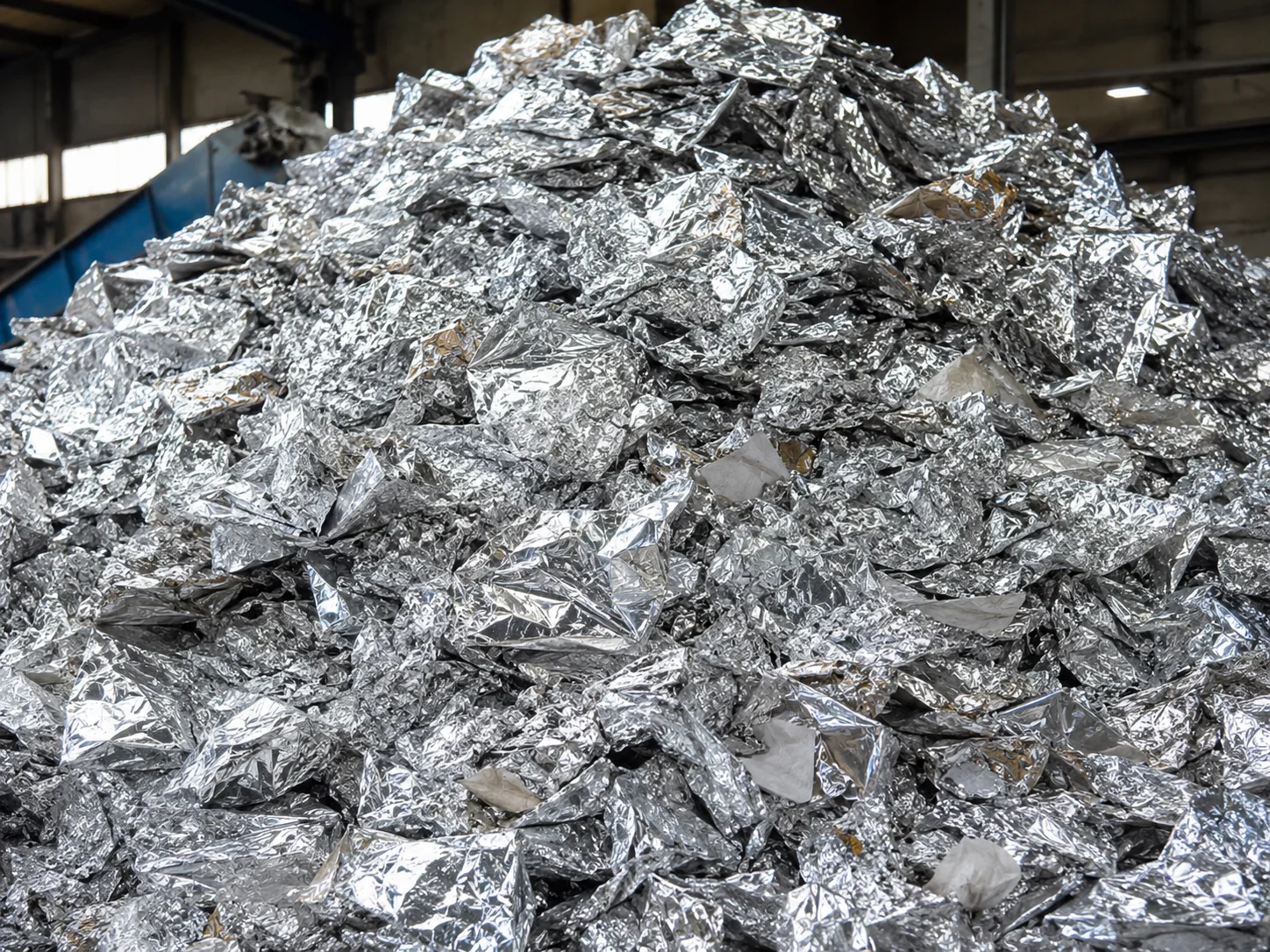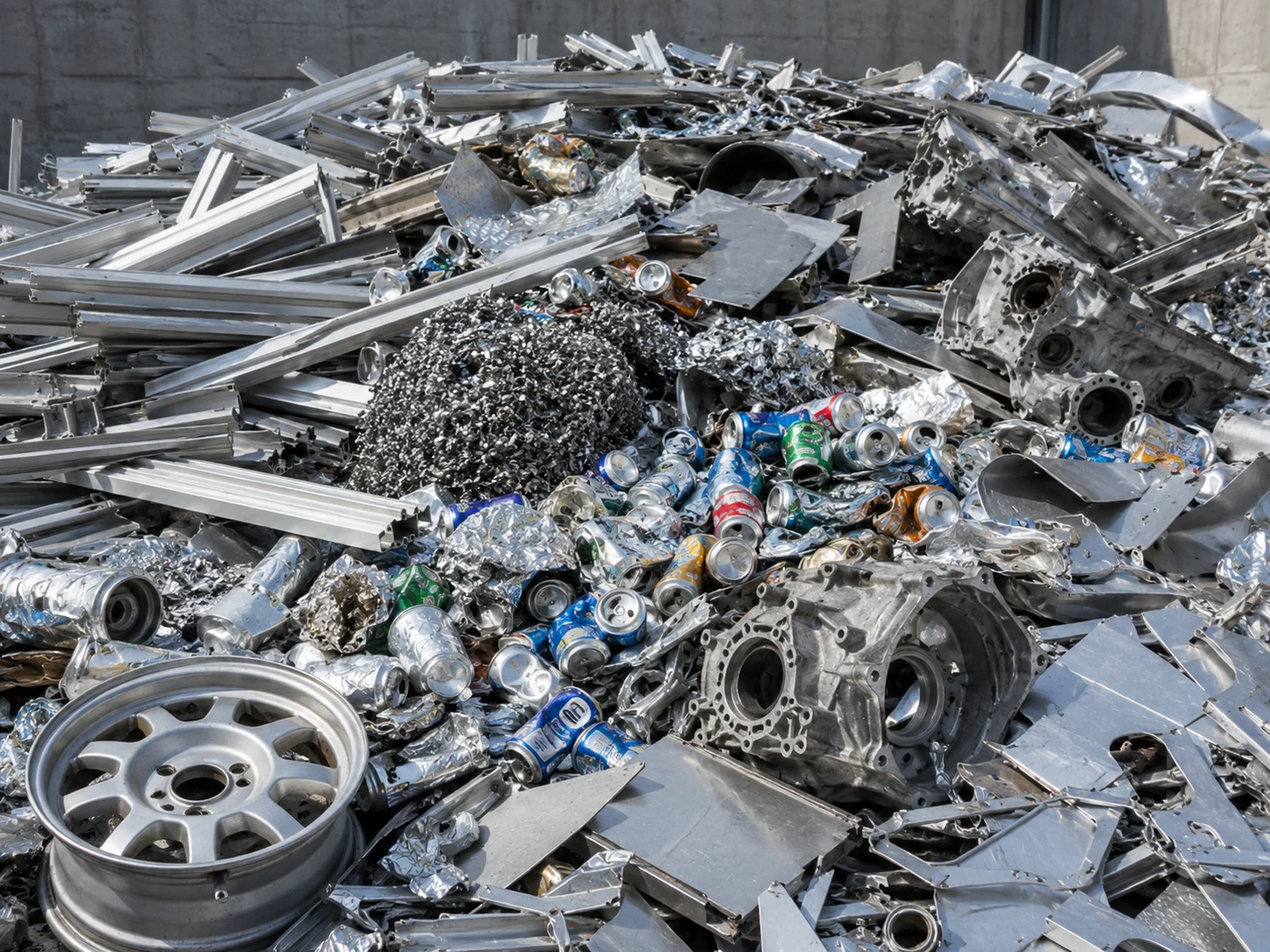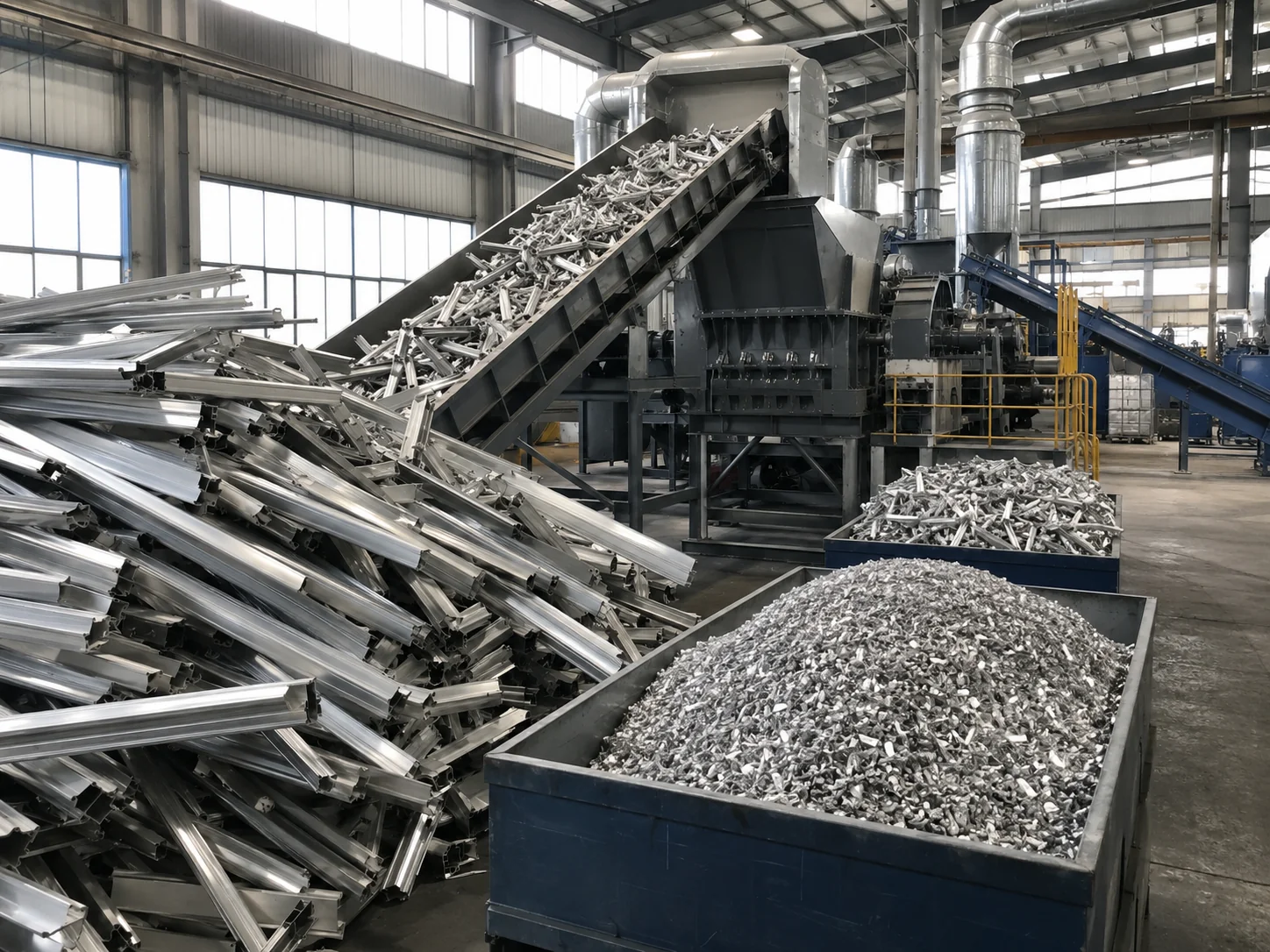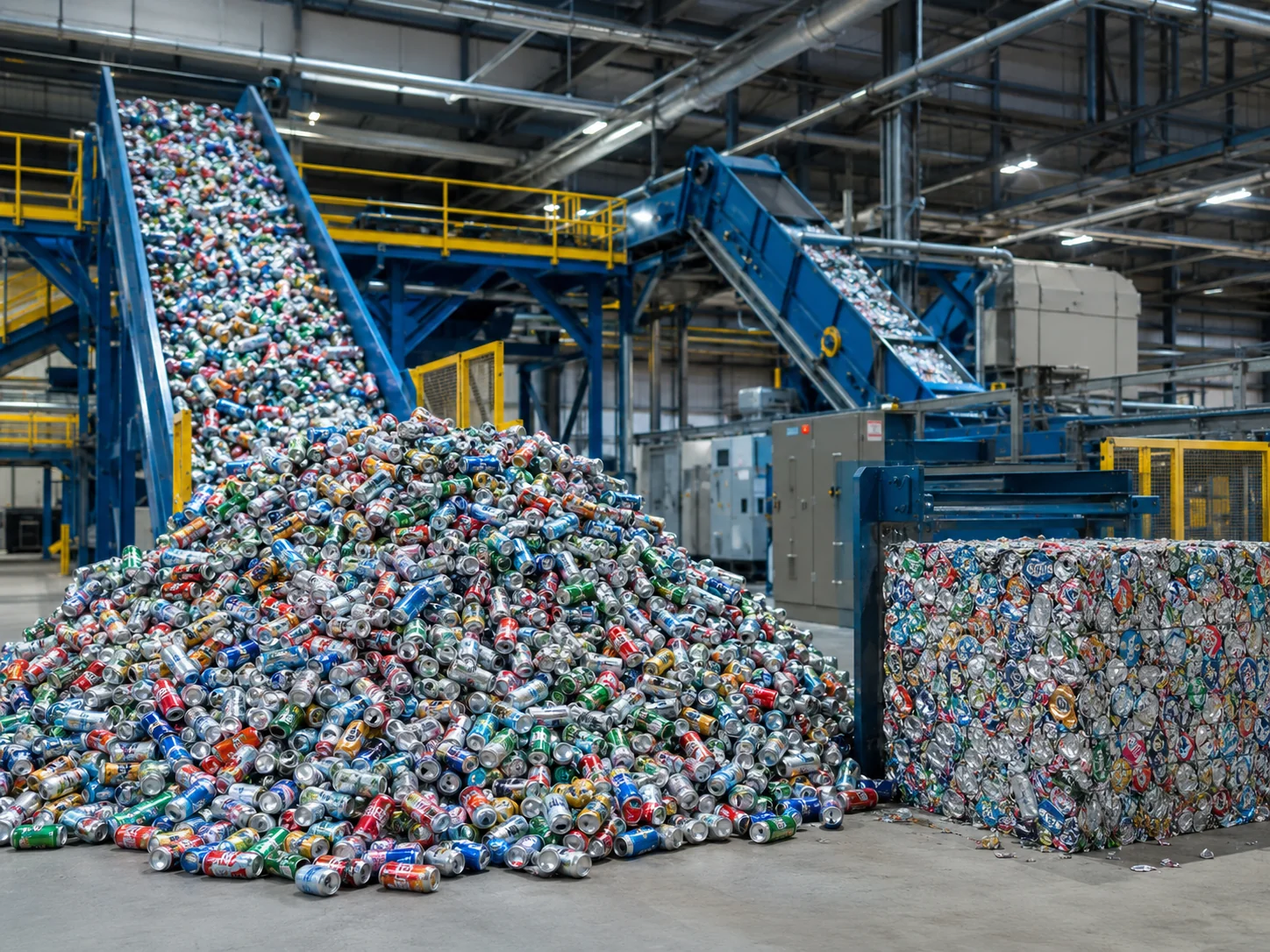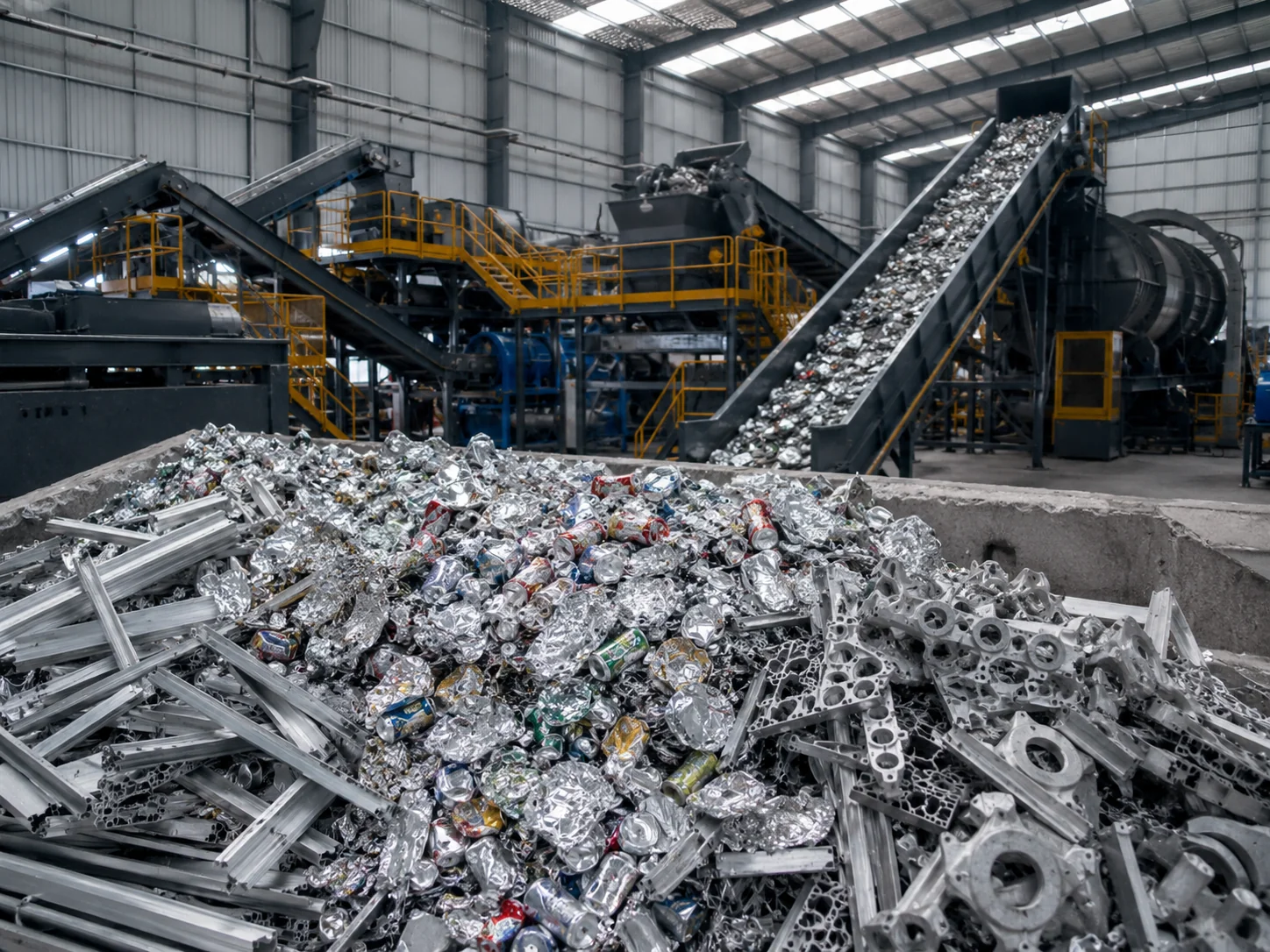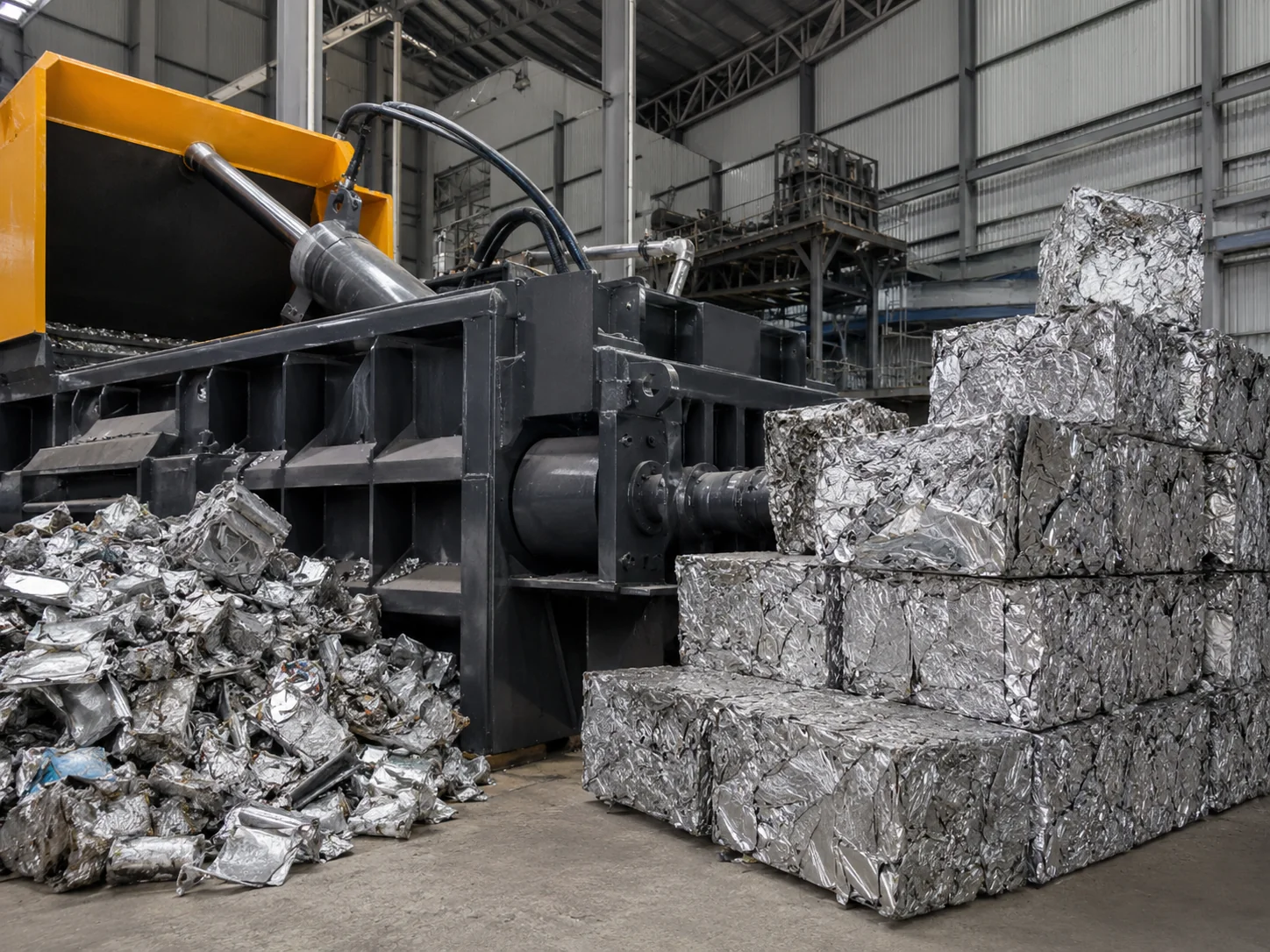
A scrap aluminum recycling line is a complete physical processing system for reducing the volume of waste aluminum and separating valuable aluminum from iron, plastics, rubber, paint residue and other impurities. It is suitable for recycling plants, scrap yards, metal processing factories, aluminum profile manufacturers and non-ferrous metal recovery projects.
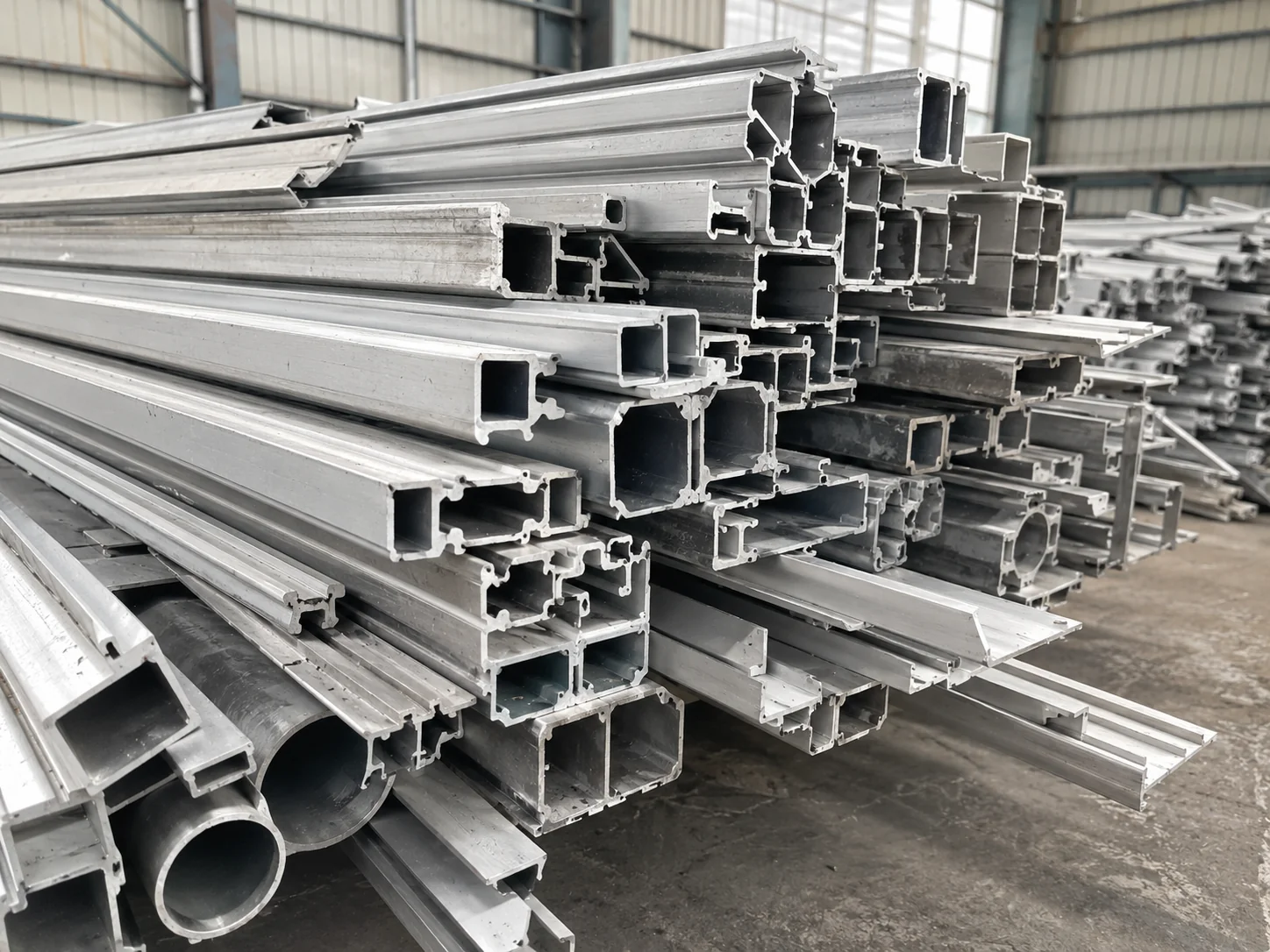
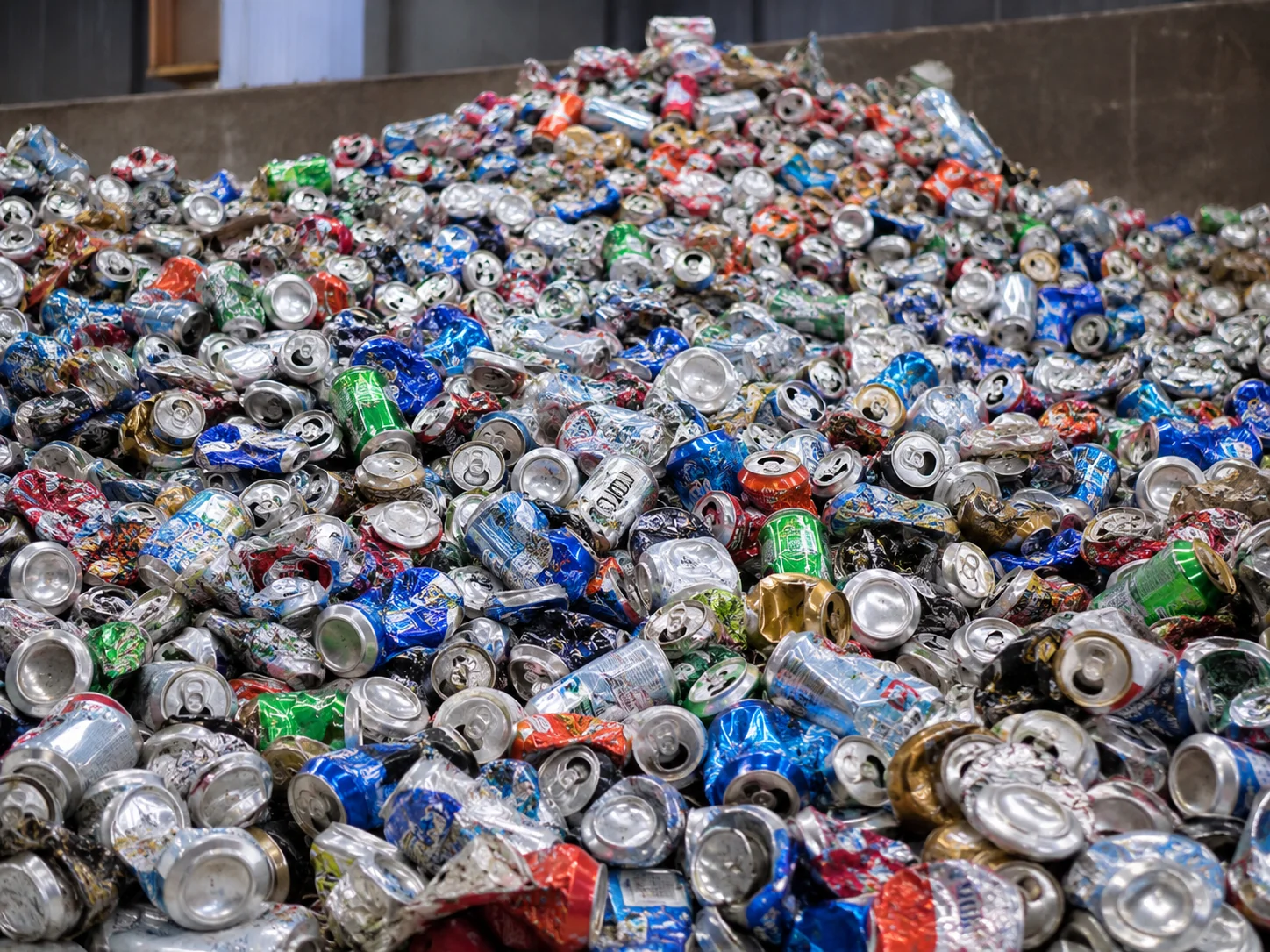
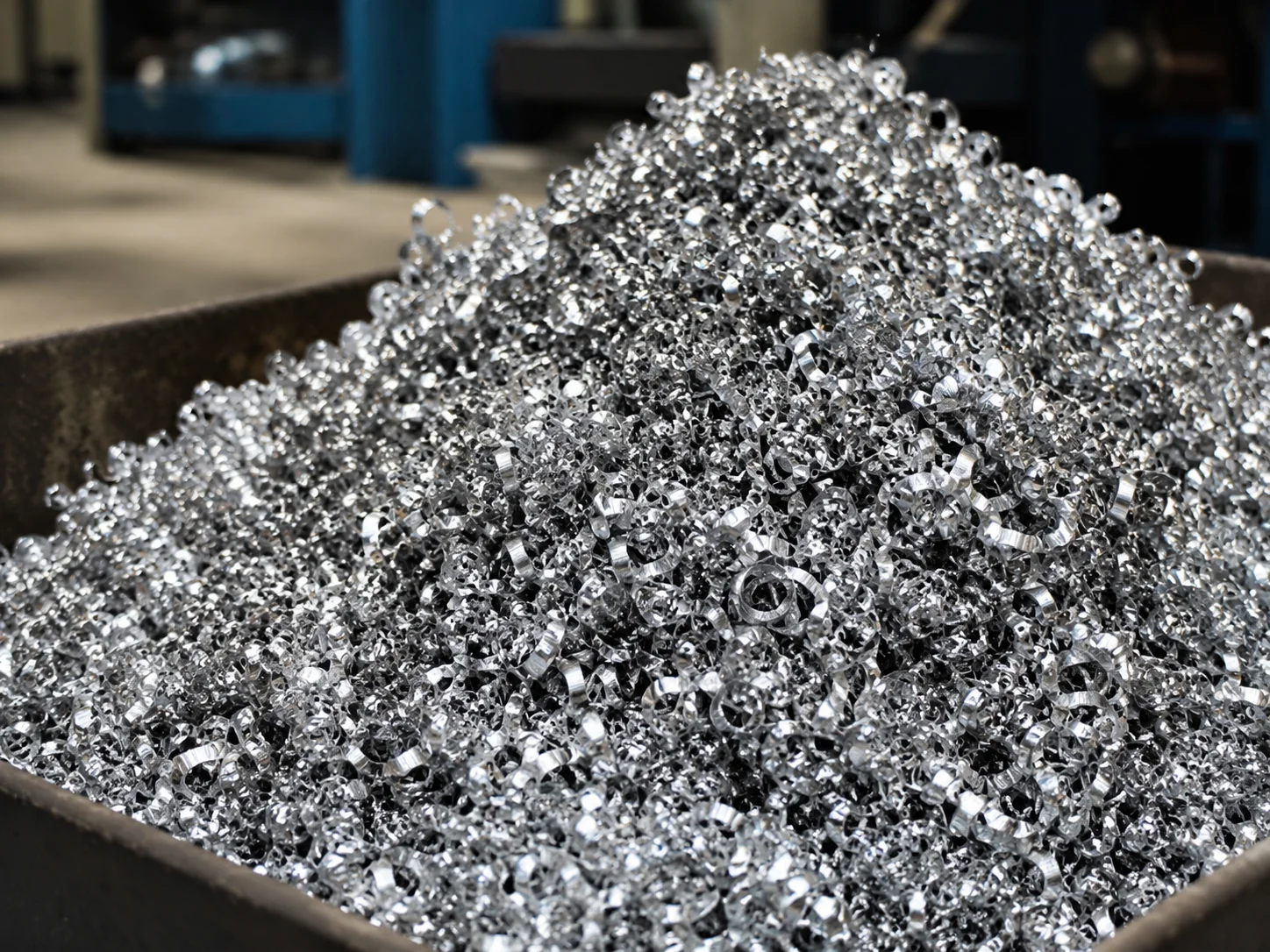
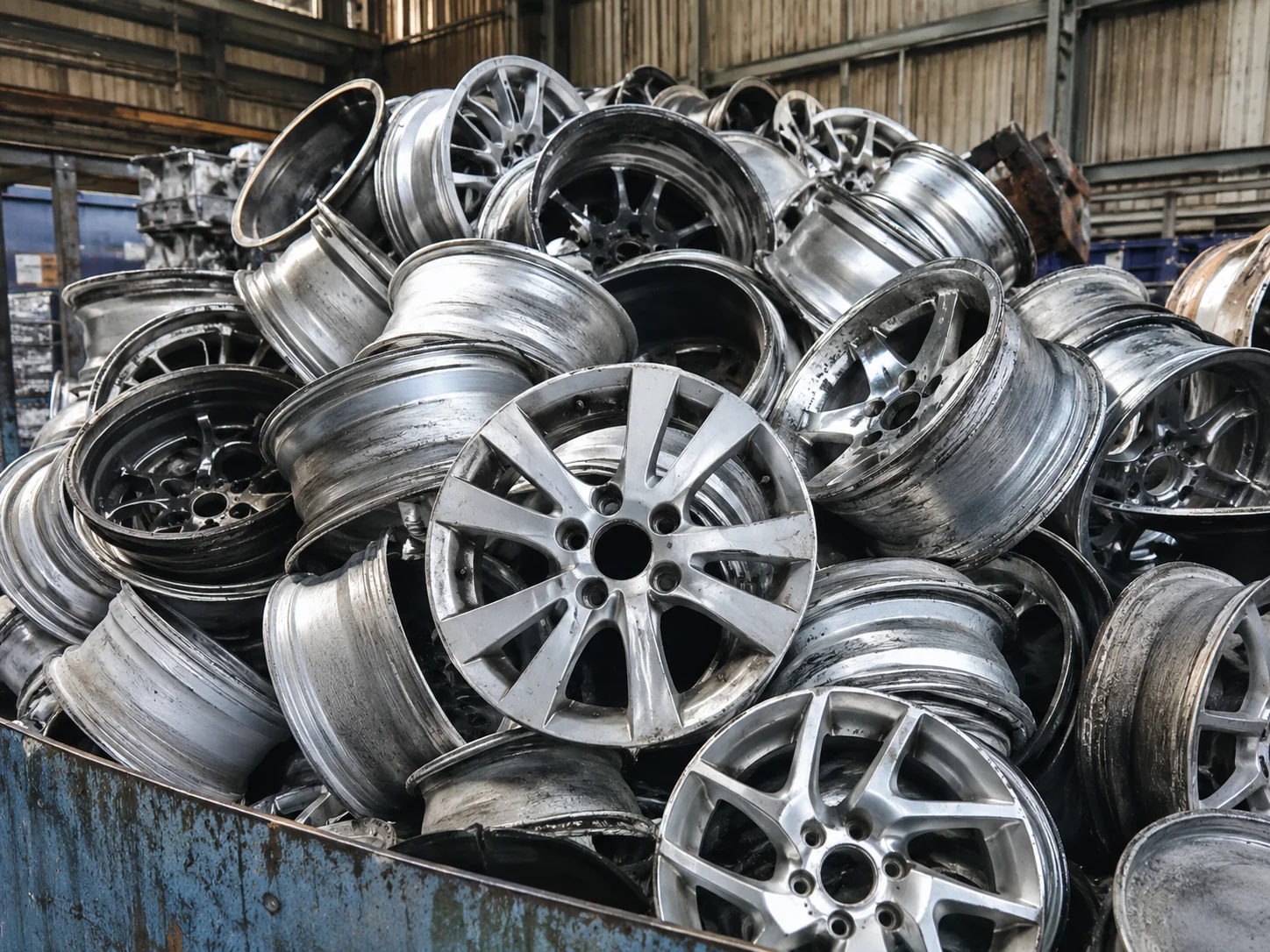
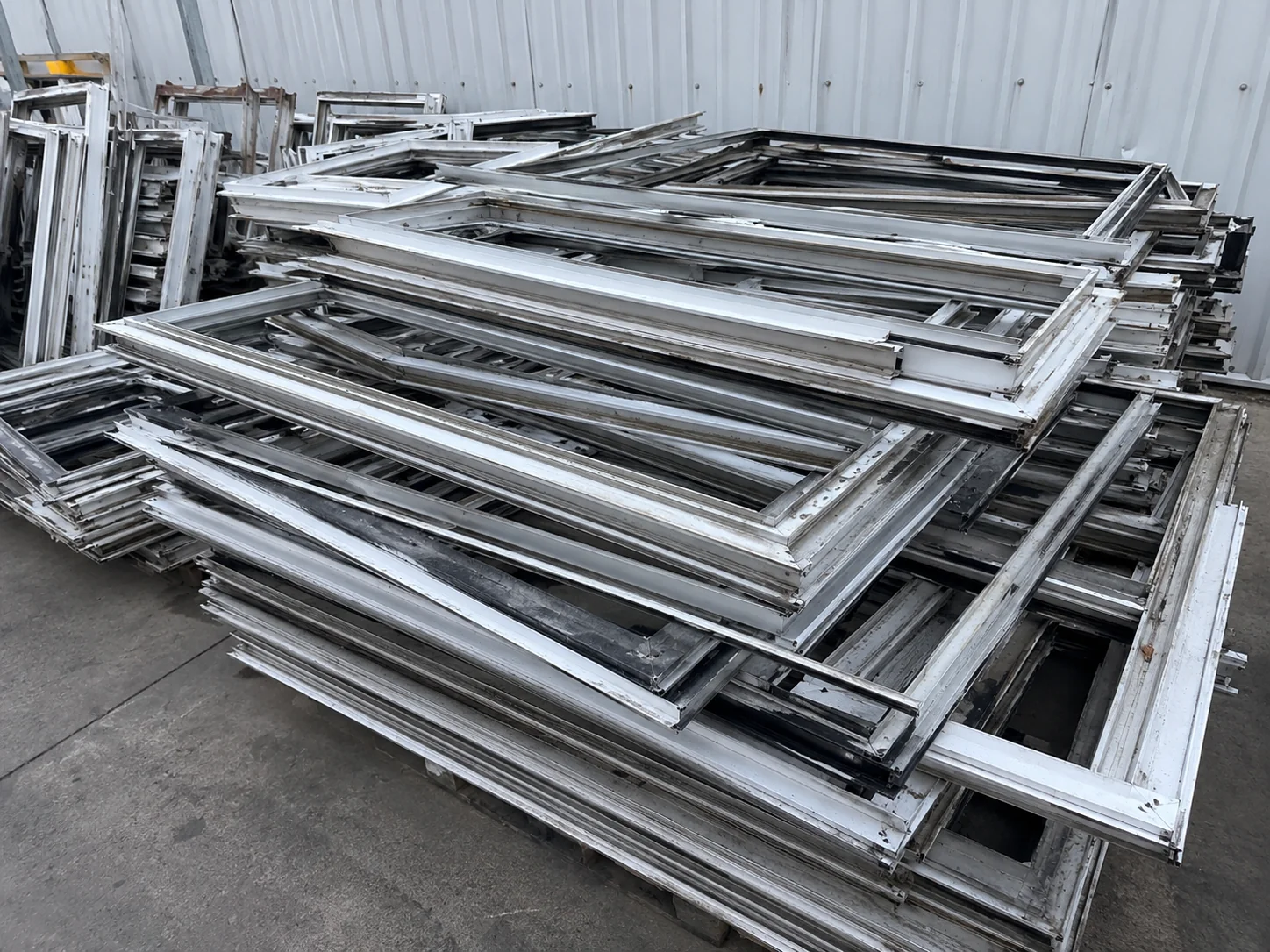
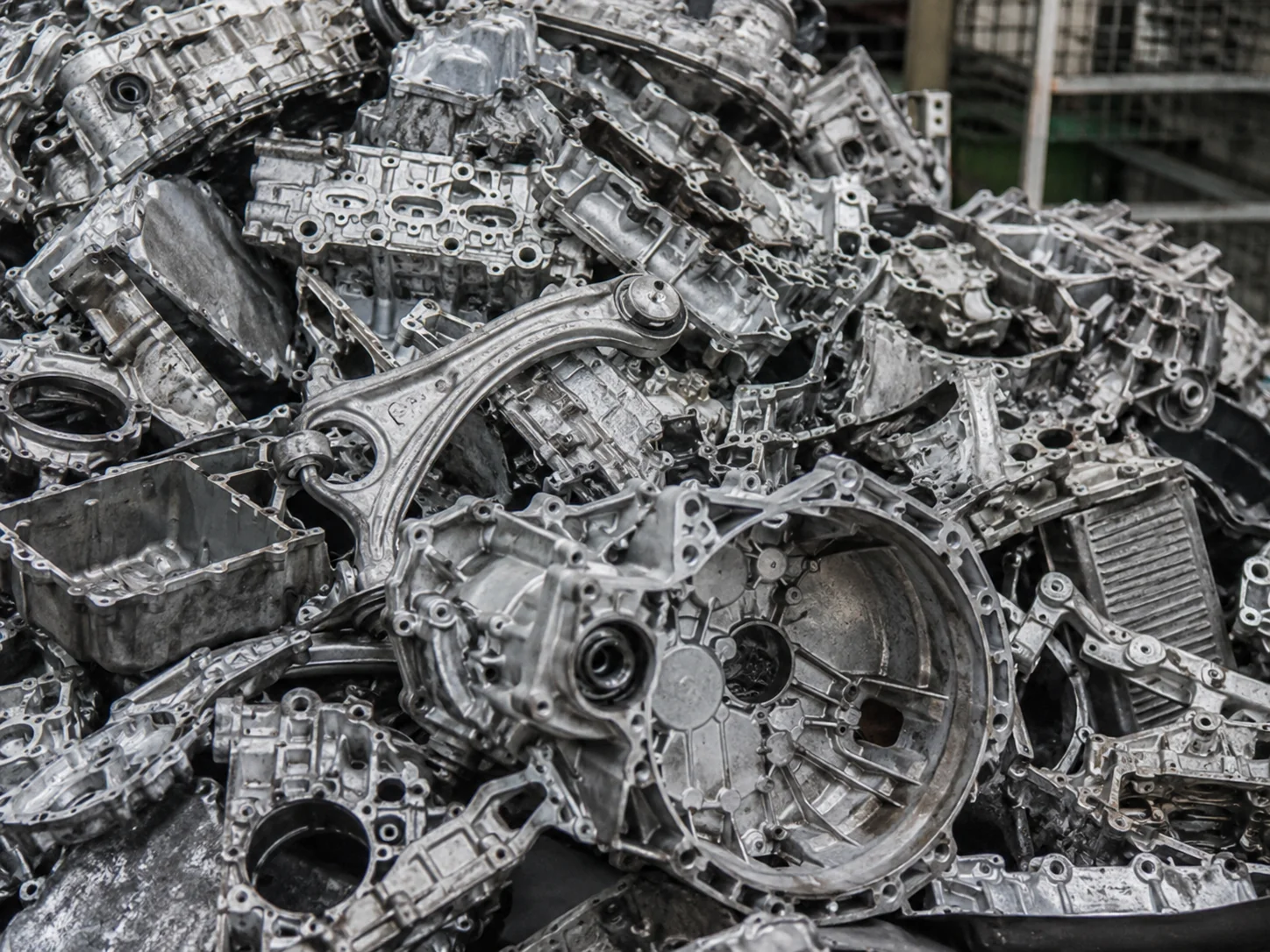
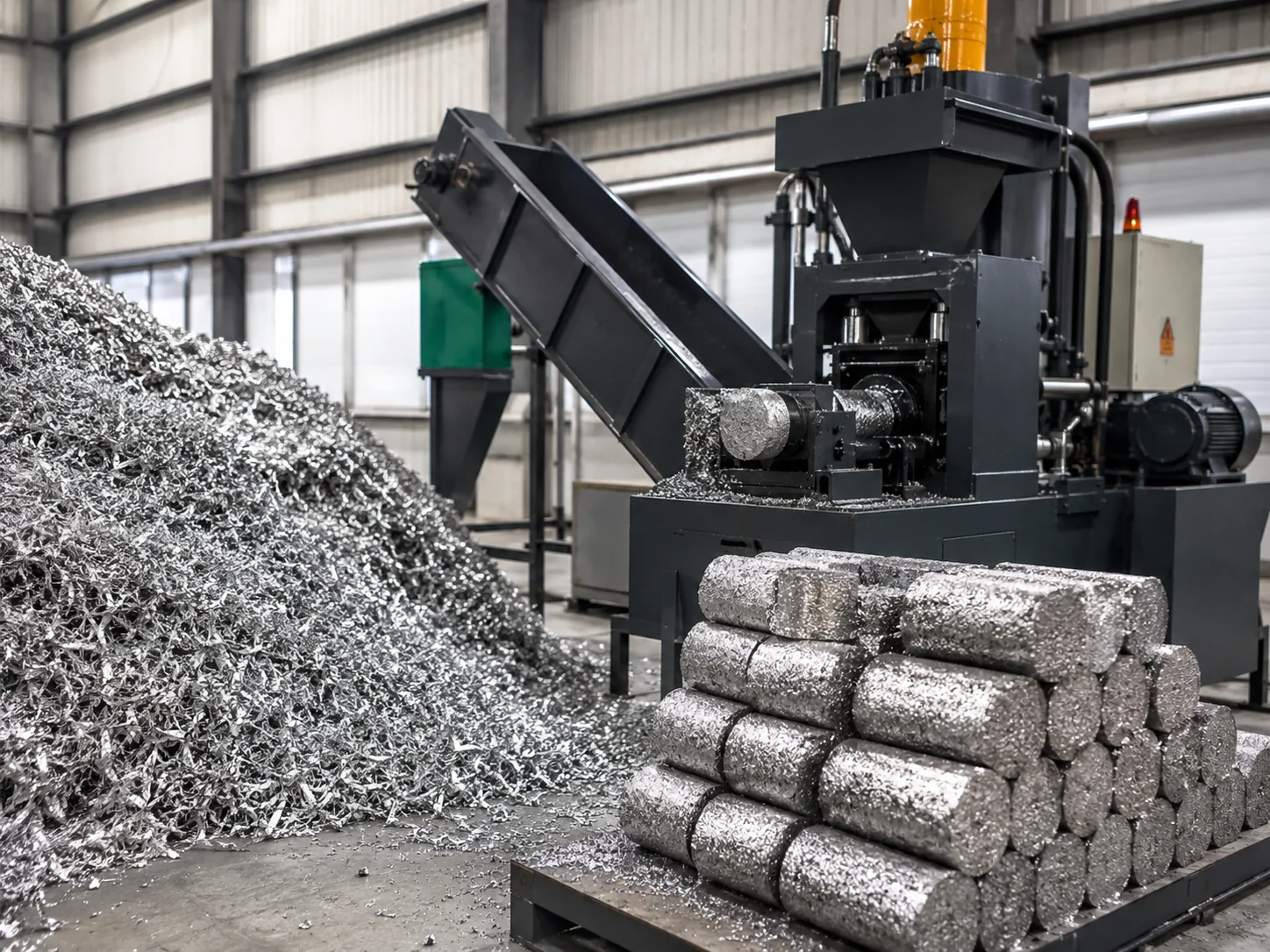
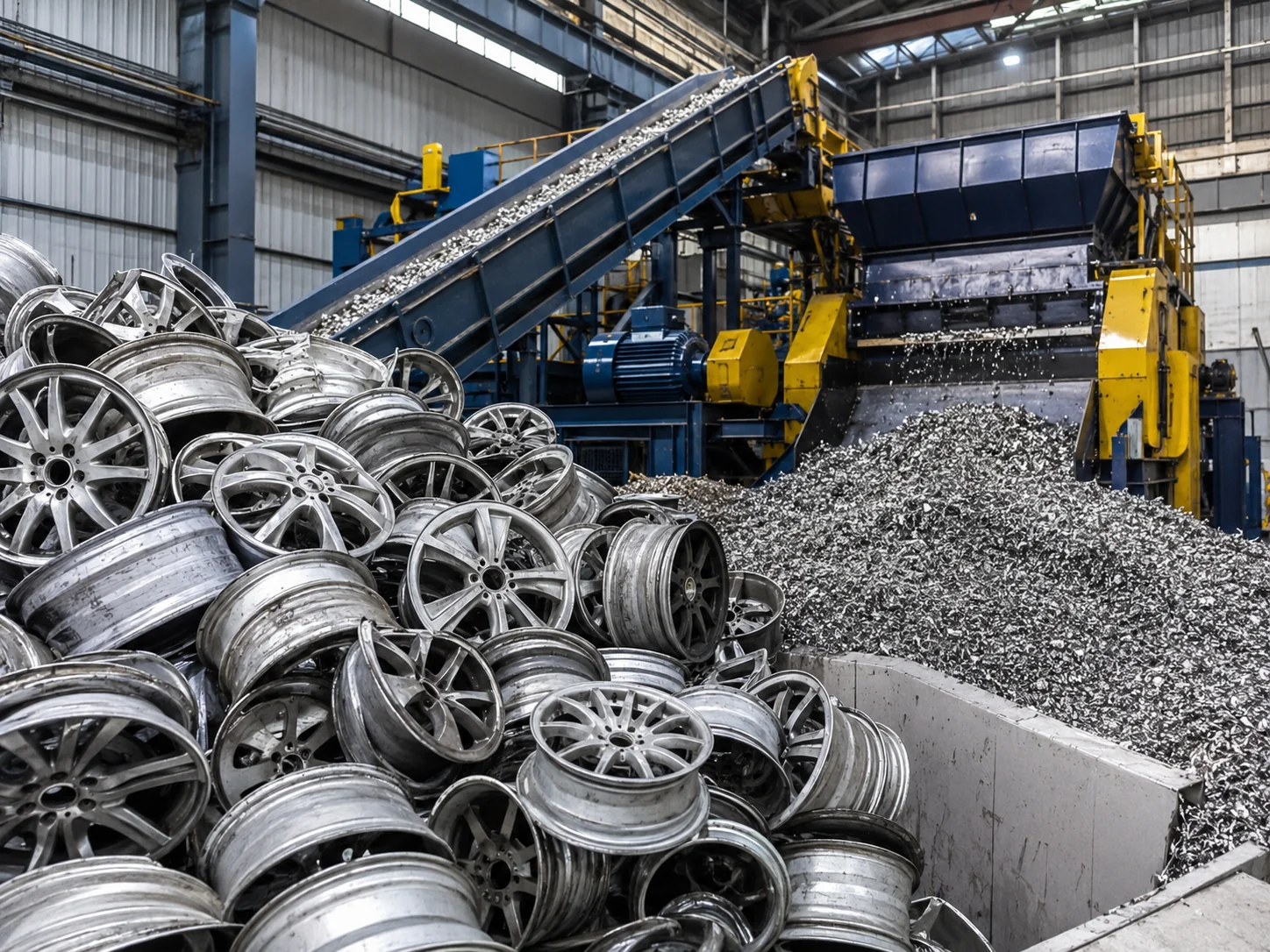
Different aluminum materials have different structures. Aluminum profiles and door-window frames are usually long and bulky. UBC cans are light and easy to compress. Aluminum wheels and automotive aluminum parts may contain iron, rubber or other attached materials. Aluminum chips need compaction or briquetting to reduce oxidation loss and transport cost.
Yuxi can configure the line according to material type, feeding size, impurity content, capacity target, discharge size, workshop layout, dust control requirement and final product requirement.
Yuxi aluminum recycling equipment can process different types of scrap aluminum and mixed non-ferrous metal materials. The final configuration depends on material shape, density, impurity content and required output form.
Scrap aluminum has high recycling value, but different materials are often bulky, mixed and difficult to sort manually. A professional recycling line helps improve feeding efficiency, impurity removal and aluminum output quality.
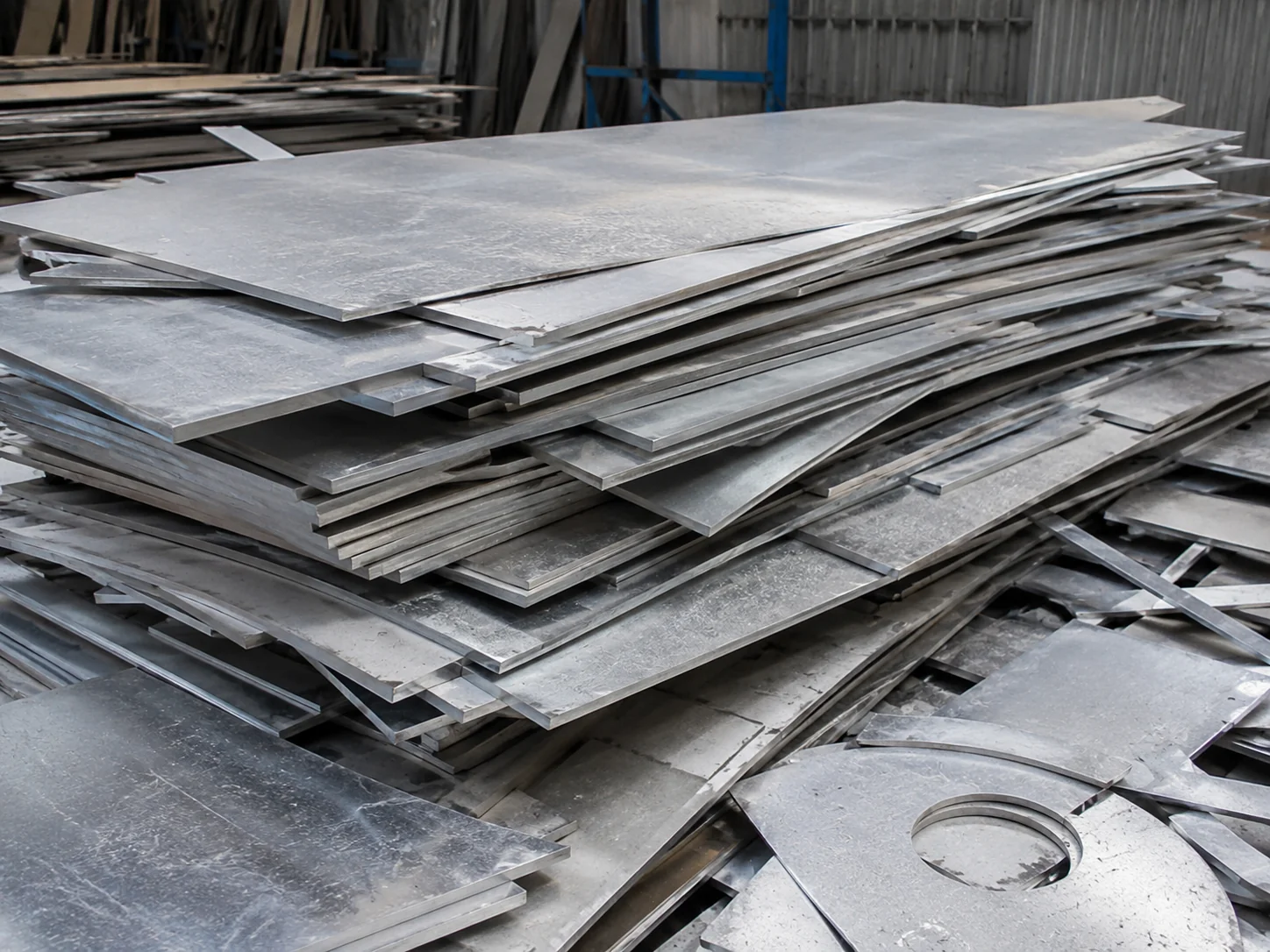
Aluminum profiles, frames, sheets and wheels take up large storage space and increase transportation cost.
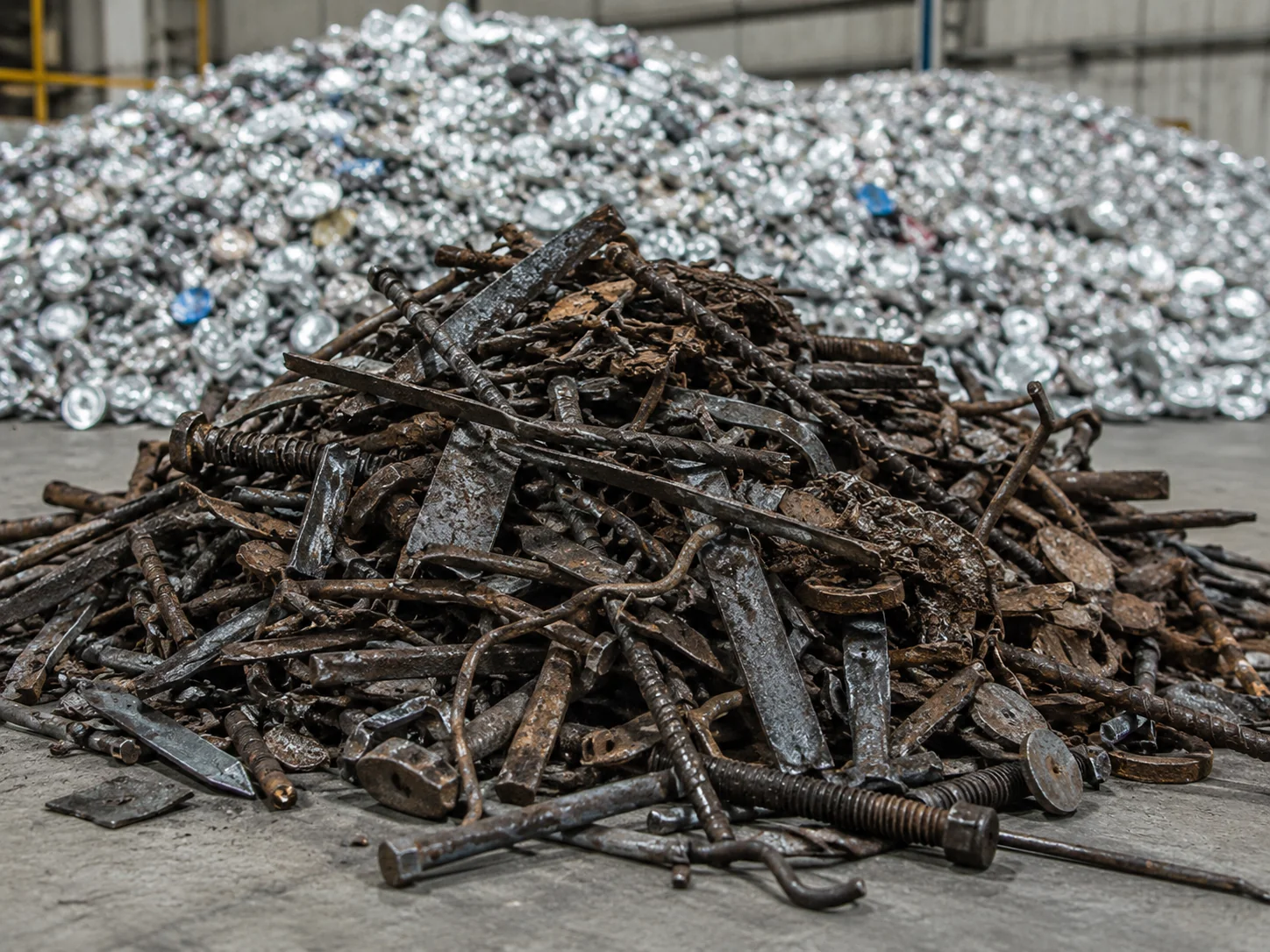
Scrap aluminum may contain screws, steel inserts, iron brackets and other magnetic impurities that reduce aluminum value.
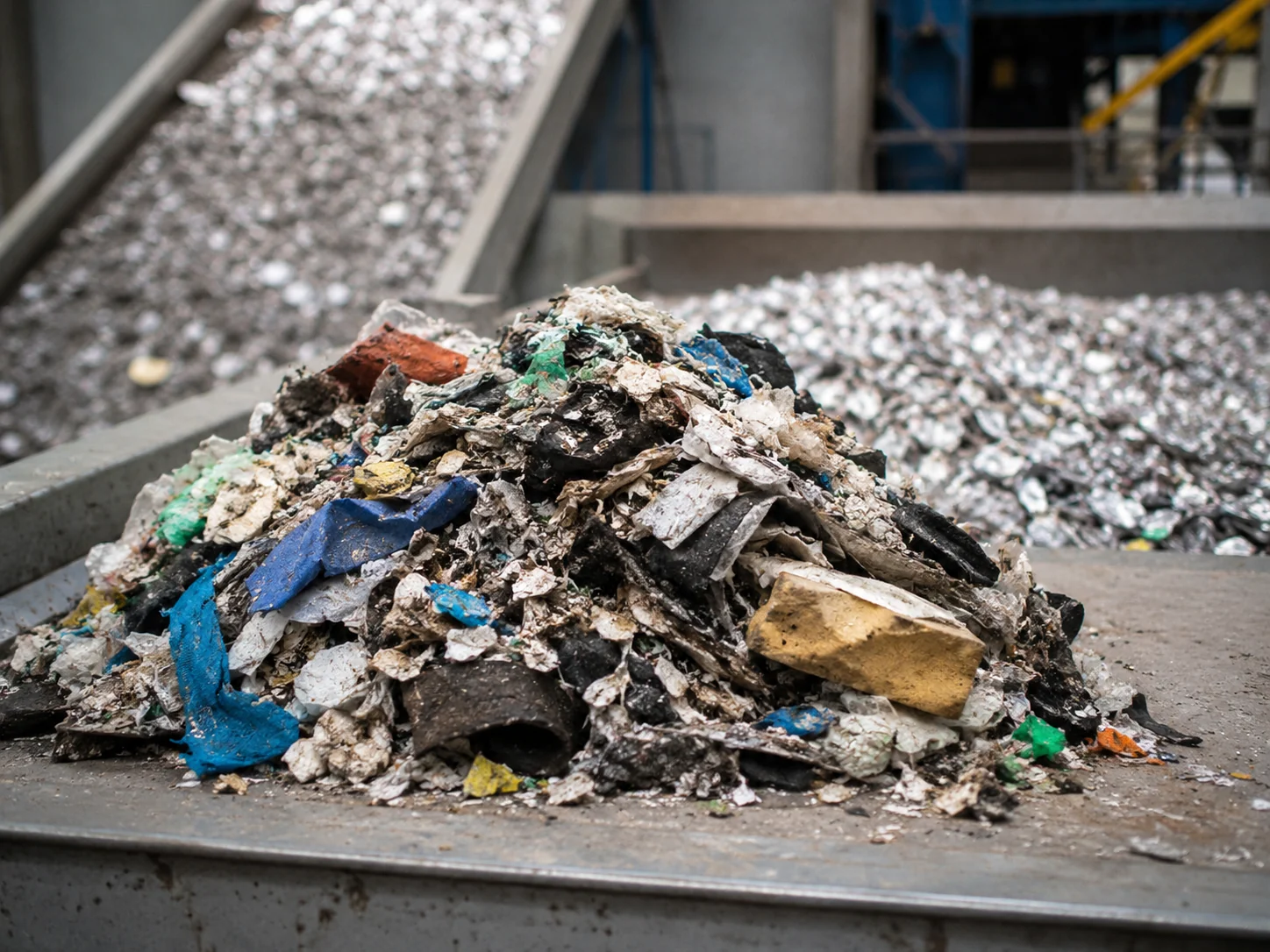
Plastic strips, rubber, labels, coatings and packaging residues may remain mixed with aluminum materials.
Manual feeding and sorting cannot meet stable industrial production requirements when the material volume increases.
Oversized or irregular scrap aluminum is not convenient for smelting, storage, transport or downstream trading.
Unclean and uncompressed aluminum scrap usually has lower selling price and higher logistics cost.
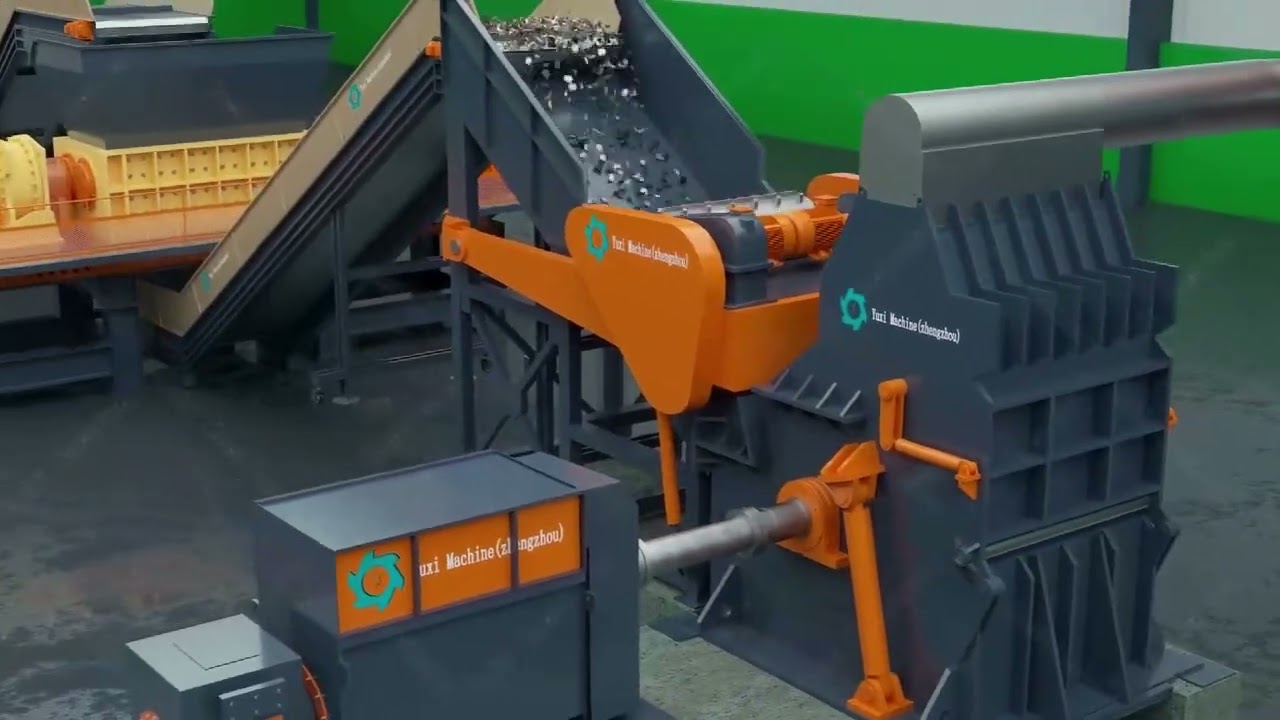
The common process can include feeding, primary shredding, secondary crushing, magnetic separation, screening, eddy current separation, aluminum collection, baling or briquetting, dust collection and centralized control. The layout can be adjusted according to raw material shape, output size and site condition.

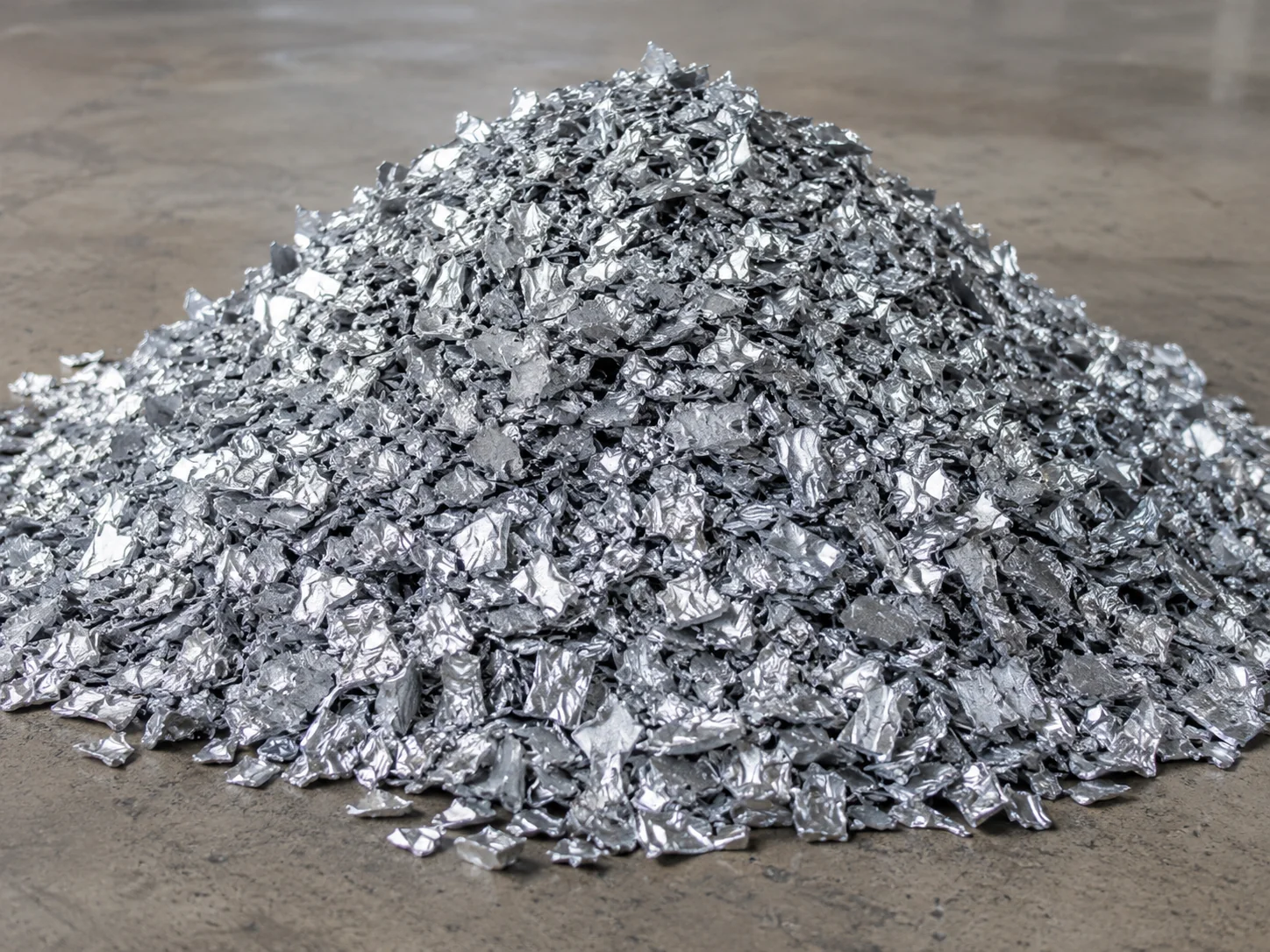
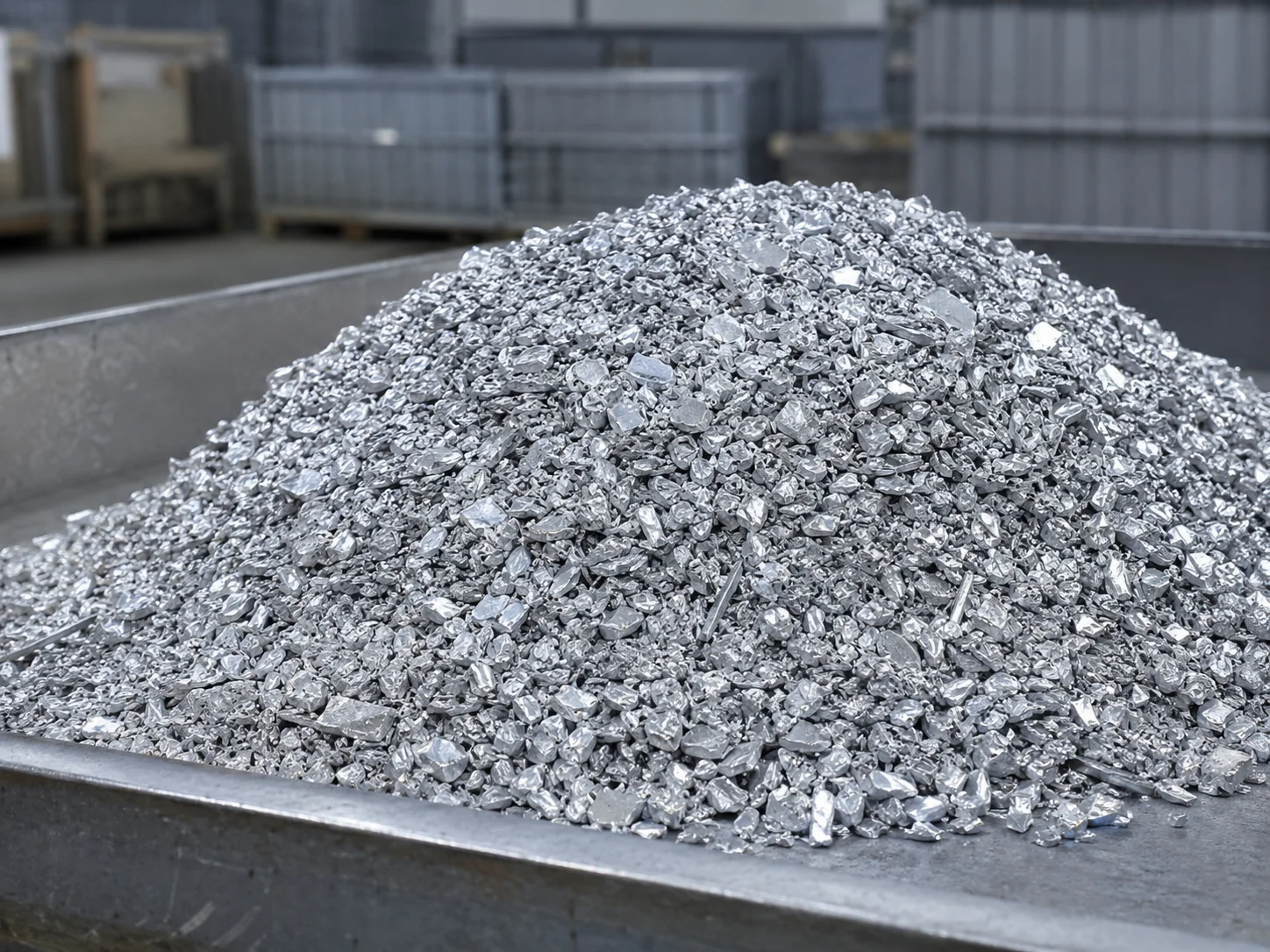
After shredding, crushing, impurity removal and physical separation, scrap aluminum can be converted into cleaner and more compact recyclable materials. The final output depends on raw material type and selected equipment configuration.
Reduced-size aluminum pieces are easier to store, transport and feed into downstream melting or remelting processes.
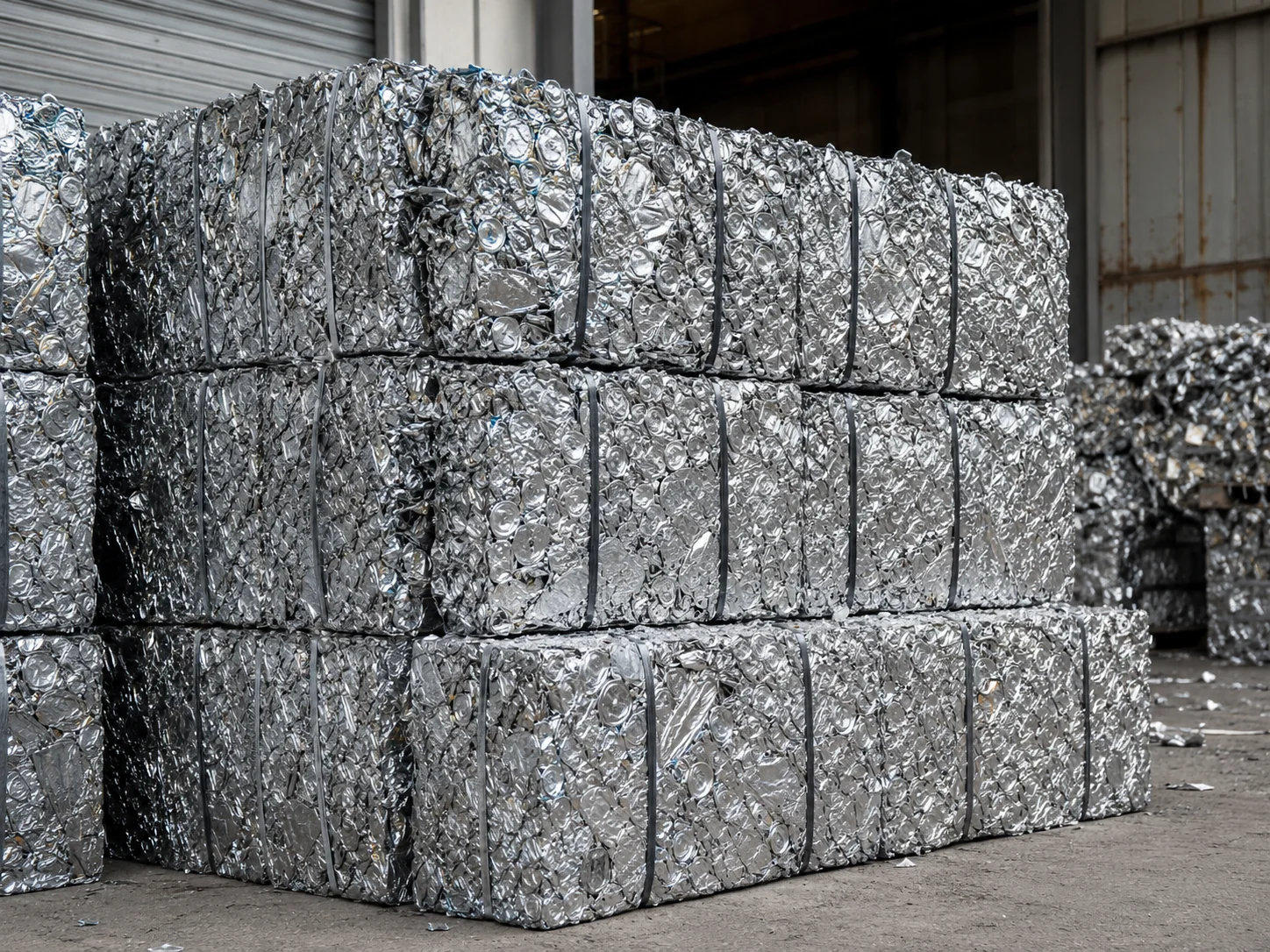
Aluminum cans, sheets and light scrap can be compressed into bales to reduce volume and logistics cost.
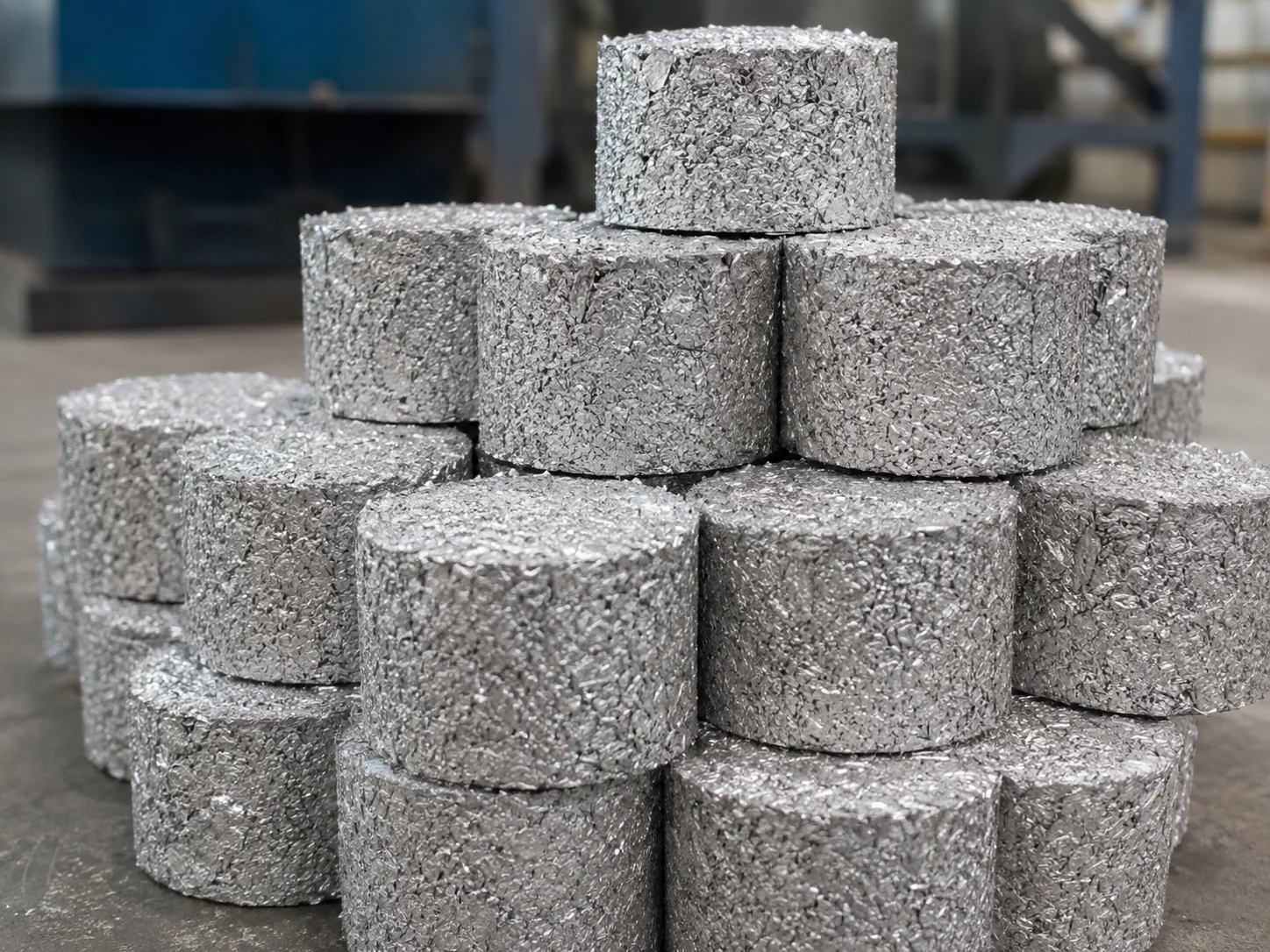
Aluminum chips and turnings can be pressed into compact briquettes for cleaner storage and higher recovery efficiency.
Steel screws, iron inserts and magnetic metal impurities can be removed by magnetic separation.
Plastic, rubber, labels, coatings and light impurities can be separated according to the process configuration.
Cleaner aluminum output improves downstream handling, trading value and recycling efficiency.
Yuxi can provide project solutions for aluminum profile recycling plants, UBC can recycling, aluminum chips briquetting, mixed scrap aluminum recycling and non-ferrous metal recovery projects.
A complete processing line for long aluminum profiles, door-window frames and industrial aluminum offcuts.
A customized recycling system for used beverage cans and light aluminum packaging materials.
A compacting solution for loose aluminum chips and turnings from machining workshops.
A physical recycling solution for aluminum wheels and automotive aluminum parts with attached impurities.
A complete system for mixed aluminum sheets, frames, cans and non-ferrous metal scrap.
A volume reduction solution for light aluminum scrap, cans, sheets and processed aluminum materials.